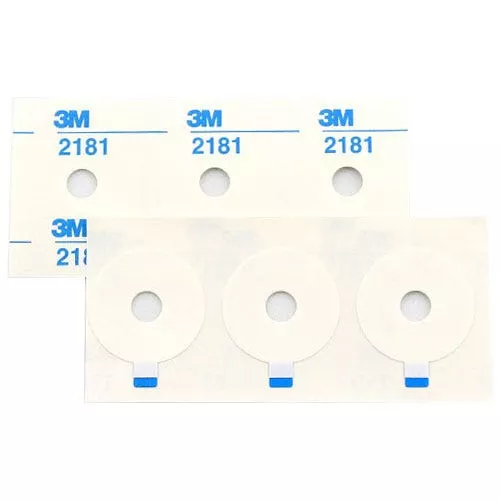
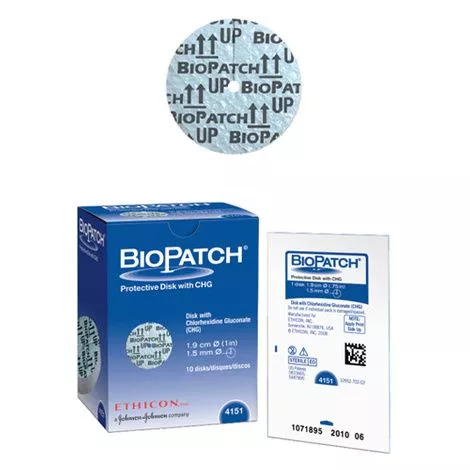
Biopatch Protective Disk with CHG Features
- Provides care for vascular access
- Shown in vitro to be effective against MRSA
- The protective disk can absorb up to eight times its weight in fluids
- Capable of absorbing exudate (blood or serum) from the insertion site
- Helps prevent CRBSI by maintaining a 360° zone of inhibition around the insertion site
- CHG is proven effective in the presence of organic matter, including blood, sera, and proteins
- The protective disk is composed of sterile polyurethane foam impregnated with the antimicrobial and anti-fungal agent CHG
- CHG is the only antiseptic ingredient recommended by the Centers for Disease Control and Prevention (CDC) for skin antisepsis
- Protects the insertion site and releases CHG, a powerful skin antiseptic, over 7 days
Biopatch Instructions For Use
What is a Biopatch Dressing used for?
Biopatch dressing is specifically designed to be used with the following catheters:
- Drains
- PICC Lines
- IV Catheters
- Peripheral IVs
- Arterial Catheters
- Dialysis Catheters
- Epidural Catheters
- Central Venous Lines
- Implanted Venous Ports
Frequently Bought Together
- Smith & Nephew Dermal Wound Cleanser
- Calmoseptine Moisture Barrier Ointment
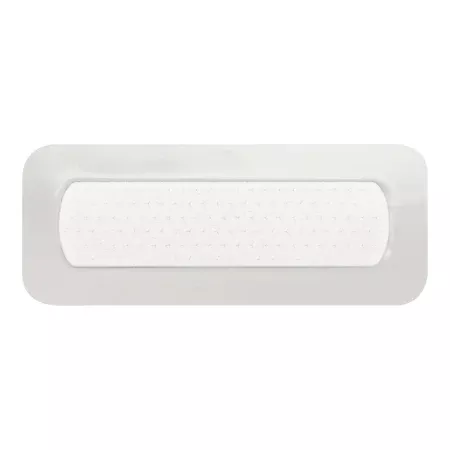
- McKesson Adhesive Hydrocellular Silicone Foam Dressing With Border
How to use Biopatch Protective Disk?
- Line insertion: leave a minimum of 1.25cm of the catheter to allow for proper cleaning and to apply the biopatch disk.
- Cleaning: prepare the site with an antiseptic and wait until the skin is completely dry.
- Application of biopatch disk: apply biopatch disk printed side up with edges of radial slit approximated and aligned with catheter tubing. Do not peel the printed side from the biopatch disk.
- Dressing: Ensure the biopatch disk has 360° contact with the skin around the catheter. Cover with a transparent film dressing.
- Removal: when the slit is aligned correctly, the biopatch disk will remain attached to the transparent film dressing, and removal will be simultaneous.
Precaution:
Biopatch Dressing should not be placed over infected wounds. It is not intended to be used as a treatment for percutaneous device-related infections.