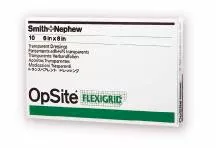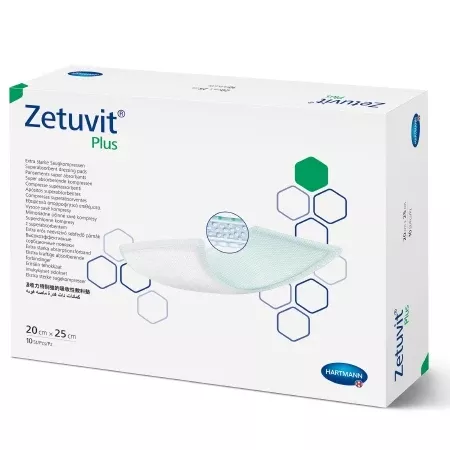
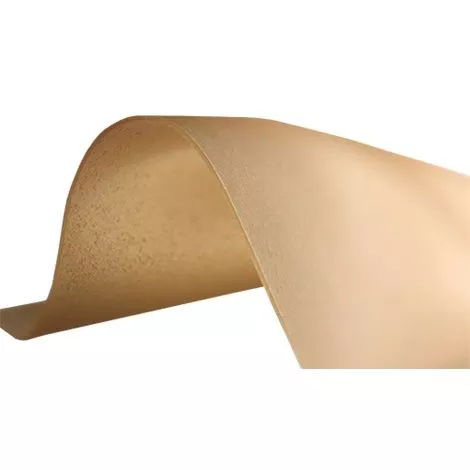
Benefits of Replicare Dressing
- Moist wound environment – Maintains a moist wound environment that assists in promoting autolytic debridement while managing low levels of exudate
- Goes on easy, comes off clean – The sterile, no-touch, self-adhering application system makes Thin simple to apply – even while wearing gloves. High cohesive properties keep the dressing from falling apart and leaving residue in the wound, so there’s minimal risk of local irritation
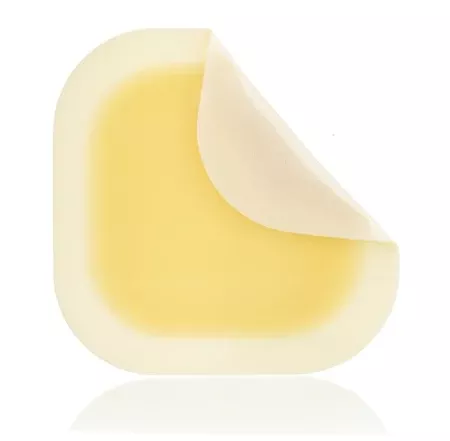
- Superior conformability – Stretches easily and returns to its original shape more completely than other hydrocolloid dressings – even over joints. This suppleness and flexibility allows the dressings to give without migrating, minimizing granulation tissue injury and damage to peri-wound skin integrity
- Improves patient comfort – Permits increased ease of patient mobility without uncomfortable pulling of the skin, especially over joints. The dressing’s thin profile also makes it cosmetically acceptable to patients
- Cost-effective choice – Promotes more cost-effective use of material and resources and nursing services. The dressing is totally transparent, so there is no need to disturb the dressing to check for saturation or healing progress
Thin Hydrocolloid Dressing Instructions for Use
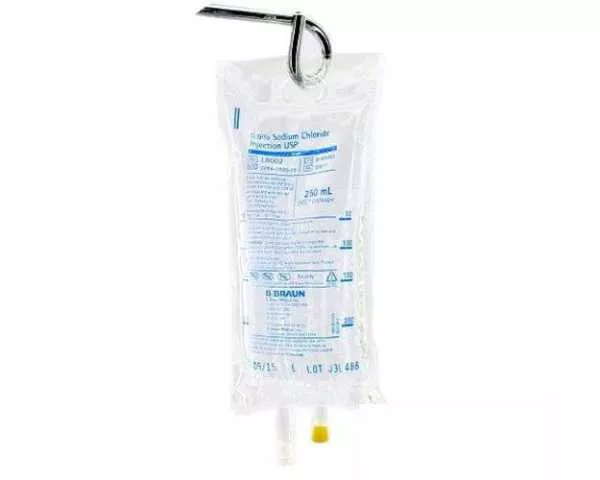
– Cleanse the wound with saline solution or an appropriate wound cleanser
– Cleanse and dry the peri-wound skin
– If the peri-wound skin is particularly friable, it may be protected from trauma by applying Skin-Prep
– Choose a dressing large enough to cover the wound with 1 of overlap on all sides of the wound
– Remove the printed backing paper exposing the adhesive surface
– Center the dressing over the wound and press the edges firmly to the surrounding skin
– Remove a small plastic application tab from the underside of the dressing and press all the sides firmly to the skin
Replicare Thin Dressings by Smith Indications For Use
- Peplicare Thin is indicated for exudate absorption and the management of partial to full-thickness wounds. Some typical wounds are:
– Ulcers (venous, arterial, diabetic)
– Pressure Sores
– Donor Sites
– Surgical Incisions
– Surgical Excisions
– Burns (1st and 2nd degree) - Creation and maintenance of a moist wound environment. Moist wound environments have been established as optimal environments for the management of the wound
- Provides physical separation between the wound and external environments to assist in preventing bacterial contamination of the wound